
Studiae: Transforming Education with AI-Powered Personalized Learning
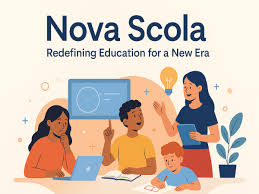
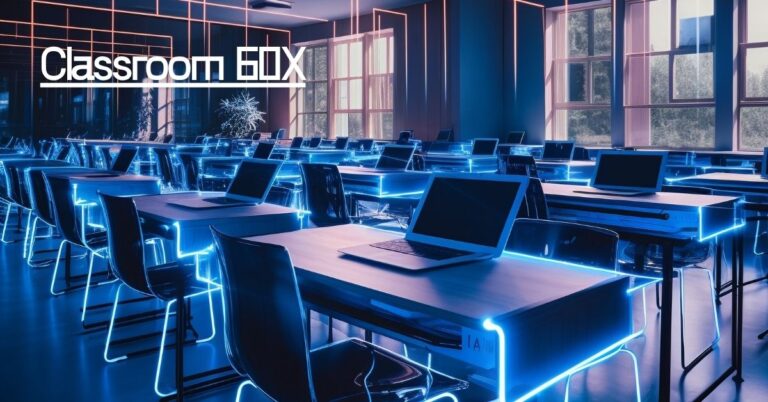
Imagine a classroom where every student learns at their own pace, receives customized support, and is guided according to their unique strengths and weaknesses. This is no longer a distant vision—it is becoming a reality with Studiae. By leveraging the power of artificial intelligence, Studiae is reshaping education into a smarter, more adaptive experience.
Traditional teaching methods often rely on a one-size-fits-all approach, which can limit creativity and slow down progress. Studiae changes this by introducing intelligent systems that personalize learning, making education more effective and engaging for both students and teachers.
The Advantages of AI in Modern Classrooms
Integrating AI into education brings a wide range of benefits that enhance the overall learning experience.
One of the most impactful advantages is personalized learning. AI systems can analyze each student’s performance, identify strengths and weaknesses, and adjust lessons accordingly. This ensures that every learner gets the support they need to succeed.
AI also improves teacher efficiency. Routine tasks such as grading, attendance tracking, and performance analysis can be automated. This allows teachers to focus more on teaching, mentoring, and interacting with students.
Another key benefit is increased student engagement. AI-powered platforms provide instant feedback and interactive learning experiences, helping students better understand complex concepts while keeping them motivated.
Additionally, AI opens the door to a vast range of learning resources. Students can access diverse materials beyond traditional textbooks, enabling a deeper and more comprehensive understanding of subjects.
The Evolving Role of Teachers in Studiae
In a Studiae-driven education system, teachers are no longer just knowledge providers—they become mentors and facilitators.
With AI handling data analysis and administrative work, teachers can dedicate more time to building meaningful connections with students. This helps create a supportive and encouraging learning environment.
Educators also play a vital role in interpreting AI-generated insights. They use this information to develop effective teaching strategies and ensure that students stay engaged and on track.
Furthermore, teachers help students develop digital literacy skills, preparing them for a future where technology plays a central role. By combining human empathy with technological tools, they ensure that education remains balanced and student-centered.
Challenges and Practical Solutions
While Studiae offers exciting opportunities, implementing it comes with certain challenges.
One major issue is resistance to change. Some educators may feel uncertain about adopting AI technologies. This can be addressed through proper training programs that build confidence and demonstrate the benefits of these tools.
Another challenge is equal access to technology. Not all students have the same access to digital resources. Schools and governments must work together to ensure that everyone benefits from AI-driven education.
Data privacy is also a critical concern. Strong policies and security systems must be in place to protect student information and ensure ethical use of data.
Finally, integrating AI into existing curricula can be complex. Collaboration between educators, administrators, and technology developers is essential for creating flexible and effective learning systems.
Read More: Diag Image: Transforming Healthcare Diagnosis
Real-World Success Stories
Many schools around the world are already experiencing the benefits of Studiae.
In one case, a school implemented AI-based assessments to create personalized lesson plans. This led to higher student engagement and improved academic performance.
Another institution used Studiae tools to enhance STEM education through interactive simulations. Students were able to understand complex topics more easily and develop stronger critical thinking skills.
Some schools have also introduced blended learning environments, where students collaborate using AI-supported platforms. These approaches encourage teamwork, creativity, and innovation.
Ethical Considerations in AI Education
As AI becomes more common in education, ethical concerns must be carefully addressed.
One concern is bias in algorithms. If AI systems are trained on biased data, they may produce unfair results. Ensuring fairness and transparency is essential.
Data protection is another important issue. Schools must safeguard student information and use it responsibly.
There is also the risk of over-reliance on technology. While AI is a powerful tool, it should not replace the human connection that is essential for emotional support and personal development.
Maintaining a balance between technology and human interaction is key to creating a healthy learning environment.
The Future of Studiae and AI in Education
The future of Studiae is full of exciting possibilities. As technology continues to evolve, classrooms will become even more interactive and personalized.
AI systems may soon adapt in real time, offering instant recommendations and customized learning paths for each student. Technologies like virtual reality (VR) could allow students to explore historical events or scientific concepts in immersive ways.
Language barriers may also decrease, as AI-powered translation tools enable students from different backgrounds to learn together.
In the future, AI-driven mentorship programs could connect students with experts around the world, creating global learning networks and expanding educational opportunities.
Conclusion
Studiae represents a major step forward in the evolution of education. By combining artificial intelligence with personalized learning, it creates a system that is more efficient, engaging, and inclusive.
Teachers remain at the heart of this transformation, guiding students and ensuring that technology is used effectively and ethically. While challenges exist, they can be overcome with the right strategies and collaboration.
As more schools adopt Studiae, the potential for improved learning outcomes continues to grow. This innovative approach is not just changing how students learn—it is shaping the future of education itself.
The journey toward smarter education has begun, and Studiae is leading the way toward a brighter, more connected, and more sustainable learning experience.