
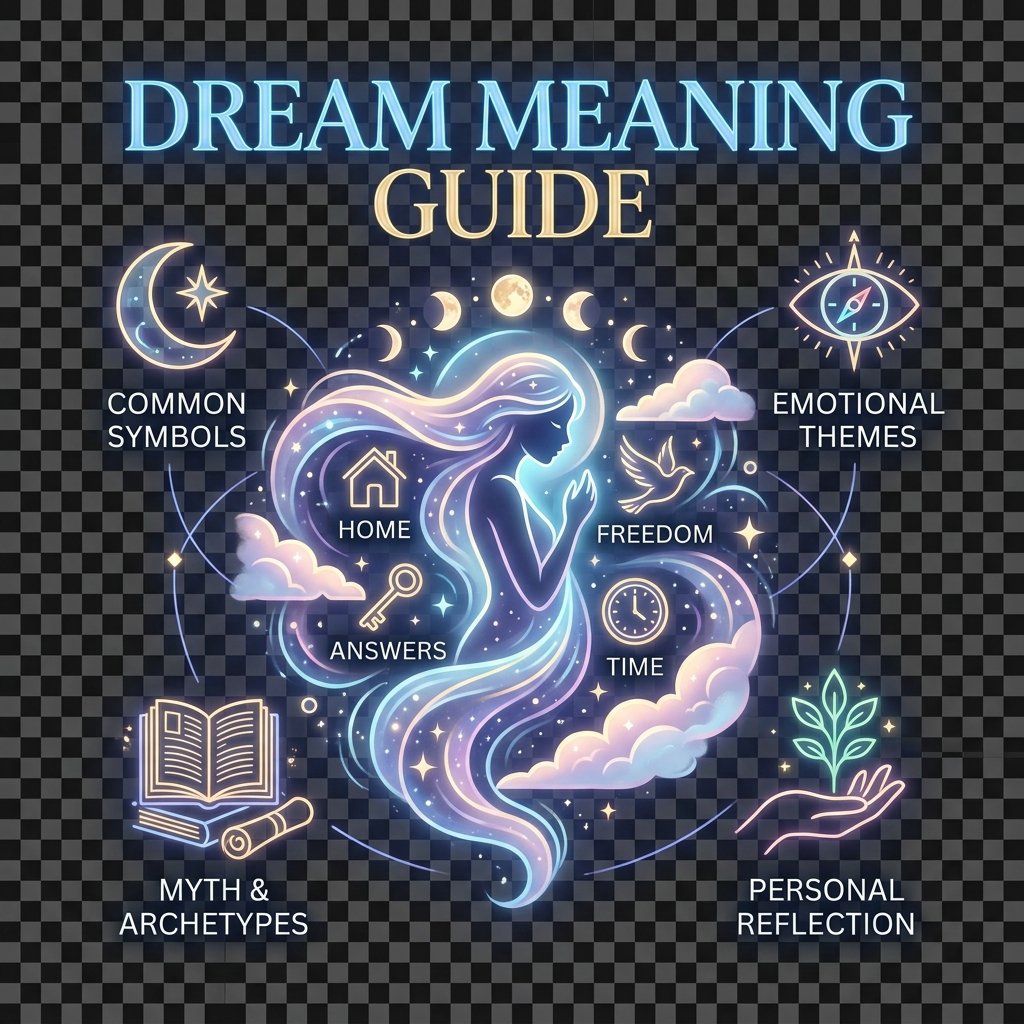
Have you ever woken up with your heart racing after a dream that felt completely real? You are not alone. Almost everyone wonders about dream meaning at some point, especially after a strange, emotional, or repeating dream. Some people believe dreams are messages from the subconscious, while others see them as the brain’s way of sorting through the day. The truth sits somewhere in between.
In this complete guide, you will learn what dream meaning is, why we dream, and what the most common dreams may say about your thoughts and feelings. You will also get simple steps to interpret your own dreams and tips to remember them better. Whether you are curious or worried about a recent dream, this guide will help you understand it in a clear, practical way.
What Is Dream Meaning?
Dream meaning is the personal or symbolic message people find in the images, events, and emotions of a dream. Dream interpretation has been practiced for thousands of years. Ancient Egyptians recorded dreams on papyrus, the Greeks believed dreams could guide decisions, and many cultures still treat dreams as signs or warnings.
Today, psychologists see dreams as a mix of memory, emotion, and imagination. Your brain takes real-life worries, hopes, and experiences and mixes them into stories, often in strange and symbolic ways.
It is important to remember one thing: dream interpretation is subjective. The same dream can mean different things to different people. A dream about water may feel calming to someone who loves the sea, but frightening to someone who is afraid of drowning. So a dream dictionary is a starting point, not a final answer.
Why Do We Dream?
Scientists still do not agree on one single reason why we dream. Dreams happen most often during REM sleep (rapid eye movement), the stage when brain activity rises and the mind is very active. According to the Sleep Foundation, experts are still debating the exact purpose of dreams. Here are the main theories:
- Memory processing: your brain sorts and stores the day’s information while you sleep.
- Emotional healing: dreams may help you process stress, fear, and difficult feelings.
- Problem solving: some people wake up with fresh ideas or solutions.
- Threat simulation: dreams may let you “practice” dangerous situations safely.
- Random brain activity: some researchers think dreams are the mind making sense of random signals.
Most likely, dreams serve several of these roles at once. That is why understanding dream meaning often starts with looking at your own life, emotions, and recent experiences.
Common Dream Meanings and What They May Represent
Certain dreams appear again and again across the world. Below are the most common dream themes and what they may suggest. Remember that these are general ideas, not guaranteed facts.
1. Falling Dream Meaning
Falling is one of the most common dreams. It often shows a feeling of losing control in real life. You may be worried about a job, relationship, money, or a big decision. Many people also wake up with a sudden jerk, which is a normal body reaction as you fall asleep.
2. Teeth Falling Out Dream Meaning
Dreaming that your teeth are crumbling or falling out is very common and usually linked to anxiety, embarrassment, or fear of change. It may show worry about how others see you, or stress about aging, health, or saying the wrong thing. If you grind your teeth at night, this dream can also come from physical tension.
3. Being Chased Dream Meaning
If someone or something is chasing you, the dream may mean you are avoiding a problem or emotion in real life. The thing chasing you often represents a fear, a responsibility, or a difficult conversation. Try to notice who or what is chasing you, because that detail can give you a strong clue.
4. Flying Dream Meaning
Flying dreams are usually positive. They often reflect freedom, confidence, and a desire to rise above problems. If flying feels easy and joyful, you may be feeling in control of your life. If you struggle to stay in the air, you may be dealing with doubt or pressure.
5. Water and Drowning Dream Meaning
Water often represents emotions. Calm, clear water may show peace, while rough waves or flooding can suggest you feel overwhelmed. Dreaming about drowning commonly points to stress, burnout, or feeling pulled under by responsibilities.
6. Being Naked in Public Dream Meaning
This dream is linked to vulnerability and fear of judgment. You may be worried that others will discover a mistake or a secret, or you may feel unprepared for a presentation, new job, or social event.
7. Death Dream Meaning
Dreaming of death sounds scary, but it rarely predicts anything real. More often, it symbolizes an ending and a new beginning, such as finishing a chapter of life, changing careers, or letting go of old habits. Dreams about losing a loved one may also reflect grief or fear of loss.
8. Snake Dream Meaning
Snakes carry many meanings. They can represent fear, hidden threats, or toxic people, but in some cultures they also symbolize healing, wisdom, and transformation. How you feel in the dream matters most. Fear suggests a worry, while calm curiosity may point to growth.
9. Exam or Being Late Dream Meaning
Dreaming that you are late, unprepared, or failing a test often shows pressure and fear of failure, even if you finished school long ago. It tends to appear when you are facing deadlines or high expectations.
Do Dreams Have Spiritual Meanings?
Many people look for the spiritual meaning of dreams. In several religions and traditions, dreams are seen as guidance, warnings, or messages from a higher power or from ancestors. For example, a dream of light, a peaceful garden, or a deceased loved one speaking calmly is often seen as a sign of comfort and protection.
Science has not proven that dreams carry supernatural messages, so it is best to treat spiritual interpretations as personal belief. If a spiritual view brings you comfort and helps you reflect on your life, that can be valuable. Just avoid making big life decisions based only on a dream.
How to Interpret Your Own Dreams (Step by Step)
You do not need to be an expert to understand dream meaning. Follow these simple steps:
- Write it down immediately. Keep a notebook or phone note beside your bed. Dreams fade within minutes of waking, so record every detail you remember.
- Note your emotions. How did you feel during the dream and after waking? Fear, joy, shame, and relief are often more important than the story itself.
- List the symbols. Write down the main people, places, objects, and animals. Ask yourself what each one means to you personally.
- Connect it to real life. Think about what is happening in your life right now: work stress, relationships, health, or big decisions.
- Look for patterns. If the same dream repeats, your mind may be pointing to a problem that still needs attention.
- Use a dream dictionary carefully. Use it for ideas, but trust your own feelings over any fixed definition.
Over time, a simple dream journal can reveal patterns you would never notice otherwise. If you want a second opinion, you can share your dream with us and our readers may help you explore it.
Why Do Some Dreams Feel So Vivid?
Some dreams feel so real that you can remember every color, sound, and emotion. Vivid dreams are more likely when you are:
- Under high stress or anxiety
- Sleeping poorly or waking often during the night
- Recovering from a lack of sleep
- Taking certain medications
- Going through big life changes
- Eating heavy meals or drinking caffeine close to bedtime
Better sleep habits can help. Go to bed at the same time every night, limit screens before sleep, keep your room cool and dark, and avoid caffeine in the evening.
What About Nightmares and Recurring Dreams?
A nightmare is a disturbing dream that wakes you up. Occasional nightmares are normal, and they often follow stress, fear, or upsetting events. Recurring dreams, which repeat the same story again and again, usually point to an unresolved worry or emotion.
To reduce nightmares, try these tips:
- Keep a calm bedtime routine, such as reading or light stretching
- Write down your worries before bed so your mind can rest
- Avoid scary movies or stressful news late at night
- Practice deep breathing or meditation
When Should You Talk to a Professional?
Most dreams are harmless. However, speak to a doctor or a mental health professional if your nightmares happen often, disturb your sleep every week, or are linked to trauma, deep sadness, or constant anxiety. Frequent bad dreams can affect your health, mood, and daily life, and help is available.
Frequently Asked Questions About Dream Meaning
Do dreams really mean something?
Dreams often reflect your thoughts, emotions, and experiences. They may not predict the future, but they can offer useful clues about what is on your mind.
Why do I forget my dreams?
The brain does not store dream memories well, especially if you wake up slowly. Writing them down right away is the best way to remember.
Is it normal to dream every night?
Yes. Most people dream several times each night during REM sleep, even if they do not remember it in the morning.
Can the same dream have different meanings?
Absolutely. Your culture, feelings, and life situation change the meaning, which is why personal reflection is more reliable than a fixed list.
Are dream dictionaries accurate?
They are good for general ideas, but they cannot know your personal experiences. Use them as a guide, not as a rule.
Final Thoughts on Dream Meaning
Understanding dream meaning is not about finding one perfect answer. It is about listening to your mind, noticing your emotions, and learning what may be hidden beneath daily stress. Dreams about falling, flying, water, teeth, or being chased are common because they connect to feelings every human shares: fear, hope, change, and the need for control.
Start a simple dream journal, pay attention to patterns, and treat each dream as a small clue rather than a fixed prediction. If you want to learn more about our work, meet the KerChiller team and explore more guides on our blog.