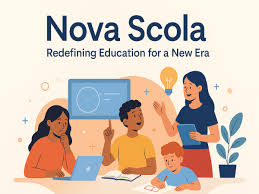
Nova Scola – Redefining Modern Education
Introduction to Nova Scola
Education is changing fast. What worked decades ago doesn’t always work today, and that’s exactly where Nova Scola comes in. Think of it as a fresh breeze in a closed classroom—new ideas, new energy, and a smarter way to learn.
What Does “Nova Scola” Mean?
Nova Scola comes from Latin and means “new school.” It’s not just a name; it’s a philosophy. It represents innovation, flexibility, and education designed around how people actually learn.
Why Nova Scola Is Gaining Global Attention
Parents, teachers, and students are questioning outdated systems. With technology, remote work, and fast-changing careers, Nova Scola feels like a solution built for the modern world.
The Philosophy Behind Nova Scola
Nova Scola believes learning should feel natural, not forced. Just like learning to ride a bike—practice, mistakes, confidence, and growth.
Learning Beyond Traditional Classrooms
Learning doesn’t stop at school walls. Nova Scola encourages education through experiences, projects, discussions, and real-world exposure.
Student-Centered Education Explained
Instead of forcing students to fit a system, Nova Scola adapts the system to the student’s pace, interests, and abilities.
Curiosity as the Core of Learning
Questions aren’t distractions here—they’re the engine of learning.
Origins and Evolution of Nova Scola
Historical Roots of Alternative Education
Nova Scola builds on ideas from Montessori, progressive education, and experiential learning, modernized for today.
How Nova Scola Evolved in the Digital Age
Online platforms, AI tools, and global collaboration have pushed Nova Scola forward rapidly.
Key Principles of Nova Scola
Personalization in Learning
Every learner is unique. Nova Scola designs paths based on individual strengths and goals.
Creativity and Critical Thinking
Instead of memorization, students learn how to think, analyze, and solve problems.
Emotional and Social Intelligence
Communication, empathy, and teamwork are treated as core skills, not extras.
Nova Scola vs Traditional Education
Teaching Methods Compared
Traditional systems focus on lectures. Nova Scola focuses on engagement, discussion, and application.
Assessment and Evaluation Styles
Exams vs Continuous Feedback
Progress is measured through feedback, projects, and improvement—not just final exams.
The Role of Teachers in Nova Scola
Teachers as Mentors, Not Dictators
Teachers guide, coach, and support rather than control.
Building Trust-Based Learning Environments
Students learn better when they feel respected and safe.
Technology and Nova Scola
Digital Tools That Power Modern Learning
Technology enhances learning without replacing human connection.
Online Platforms and Hybrid Models
Blended learning offers flexibility while keeping structure.
AI and Personalized Education Paths
AI helps identify learning gaps and strengths in real time.
Nova Scola Curriculum Design
Flexible and Modular Curricula
Subjects evolve as students grow, instead of staying fixed.
Real-World Skills Integration
Life skills like communication, financial literacy, and digital competence are included.
Benefits of Nova Scola for Students
Confidence and Independence
Students take ownership of their learning.
Lifelong Learning Mindset
Learning becomes a habit, not a task.
Benefits of Nova Scola for Parents
Transparency in Learning Progress
Parents see real development, not just grades.
Better Alignment with Child’s Strengths
Children thrive when their talents are recognized early.
Nova Scola and Global Education Trends
Alignment with 21st-Century Skills
Critical thinking, adaptability, and collaboration are central.
International Recognition and Adoption
More institutions worldwide are shifting toward Nova Scola-style models.
Challenges Faced by Nova Scola
Resistance to Change
Traditional systems don’t change easily.
Accessibility and Cost Concerns
Making innovation affordable remains a challenge.
How Schools Can Transition to Nova Scola
Step-by-Step Implementation
Starting with pilot programs helps ease the transition.
Training Educators
Teachers need support to adapt to new roles.
Engaging Parents and Communities
Clear communication builds trust and acceptance.
Future of Nova Scola
Education in the Next Decade
More personalization, more flexibility, and more humanity.
Nova Scola’s Long-Term Impact
A generation prepared to think, adapt, and lead.
Is Nova Scola Right for Everyone?
Who Benefits the Most
Students who value creativity and flexibility.
Things to Consider Before Adopting
Mindset matters more than tools.
Conclusion
Nova Scola is more than a modern trend—it’s a response to a changing world. By focusing on individuality, curiosity, and real-life skills, it offers a powerful vision for the future of education. Learning doesn’t have to feel forced. With Nova Scola, it finally makes sense.
FAQs
1. Is Nova Scola a school or a system?
It’s an educational approach that schools can adopt.
2. Can Nova Scola work with traditional education?
Yes, many schools use hybrid models successfully.
3. Does Nova Scola depend heavily on technology?
Technology supports learning but doesn’t replace teachers.
4. Is Nova Scola suitable for all ages?
Yes, from early education to adult learning.
5. Can parents apply Nova Scola ideas at home?
Absolutely. Encourage curiosity, flexibility, and independence.
Introduction to Nova Scola
Education is changing fast. What worked decades ago doesn’t always work today, and that’s exactly where Nova Scola comes in. Think of it as a fresh breeze in a closed classroom—new ideas, new energy, and a smarter way to learn.
What Does “Nova Scola” Mean?
Nova Scola comes from Latin and means “new school.” It’s not just a name; it’s a philosophy. It represents innovation, flexibility, and education designed around how people actually learn.
Why Nova Scola Is Gaining Global Attention
Parents, teachers, and students are questioning outdated systems. With technology, remote work, and fast-changing careers, Nova Scola feels like a solution built for the modern world.
The Philosophy Behind Nova Scola
Nova Scola believes learning should feel natural, not forced. Just like learning to ride a bike—practice, mistakes, confidence, and growth.
Learning Beyond Traditional Classrooms
Learning doesn’t stop at school walls. Nova Scola encourages education through experiences, projects, discussions, and real-world exposure.
Student-Centered Education Explained
Instead of forcing students to fit a system, Nova Scola adapts the system to the student’s pace, interests, and abilities.
Curiosity as the Core of Learning
Questions aren’t distractions here—they’re the engine of learning.
Origins and Evolution of Nova Scola
Historical Roots of Alternative Education
Nova Scola builds on ideas from Montessori, progressive education, and experiential learning, modernized for today.
How Nova Scola Evolved in the Digital Age
Online platforms, AI tools, and global collaboration have pushed Nova Scola forward rapidly.
Key Principles of Nova Scola
Personalization in Learning
Every learner is unique. Nova Scola designs paths based on individual strengths and goals.
Creativity and Critical Thinking
Instead of memorization, students learn how to think, analyze, and solve problems.
Emotional and Social Intelligence
Communication, empathy, and teamwork are treated as core skills, not extras.
Nova Scola vs Traditional Education
Teaching Methods Compared
Traditional systems focus on lectures. Nova Scola focuses on engagement, discussion, and application.
Assessment and Evaluation Styles
Exams vs Continuous Feedback
Progress is measured through feedback, projects, and improvement—not just final exams.
The Role of Teachers in Nova Scola
Teachers as Mentors, Not Dictators
Teachers guide, coach, and support rather than control.
Building Trust-Based Learning Environments
Students learn better when they feel respected and safe.
Technology and Nova Scola
Digital Tools That Power Modern Learning
Technology enhances learning without replacing human connection.
Online Platforms and Hybrid Models
Blended learning offers flexibility while keeping structure.
AI and Personalized Education Paths
AI helps identify learning gaps and strengths in real time.
Nova Scola Curriculum Design
Flexible and Modular Curricula
Subjects evolve as students grow, instead of staying fixed.
Real-World Skills Integration
Life skills like communication, financial literacy, and digital competence are included.
Benefits of Nova Scola for Students
Confidence and Independence
Students take ownership of their learning.
Lifelong Learning Mindset
Learning becomes a habit, not a task.
Benefits of Nova Scola for Parents
Transparency in Learning Progress
Parents see real development, not just grades.
Better Alignment with Child’s Strengths
Children thrive when their talents are recognized early.
Nova Scola and Global Education Trends
Alignment with 21st-Century Skills
Critical thinking, adaptability, and collaboration are central.
International Recognition and Adoption
More institutions worldwide are shifting toward Nova Scola-style models.
Challenges Faced by Nova Scola
Resistance to Change
Traditional systems don’t change easily.
Accessibility and Cost Concerns
Making innovation affordable remains a challenge.
How Schools Can Transition to Nova Scola
Step-by-Step Implementation
Starting with pilot programs helps ease the transition.
Training Educators
Teachers need support to adapt to new roles.
Engaging Parents and Communities
Clear communication builds trust and acceptance.
Future of Nova Scola
Education in the Next Decade
More personalization, more flexibility, and more humanity.
Nova Scola’s Long-Term Impact
A generation prepared to think, adapt, and lead.
Is Nova Scola Right for Everyone?
Who Benefits the Most
Students who value creativity and flexibility.
Things to Consider Before Adopting
Mindset matters more than tools.
Conclusion
Nova Scola is more than a modern trend—it’s a response to a changing world. By focusing on individuality, curiosity, and real-life skills, it offers a powerful vision for the future of education. Learning doesn’t have to feel forced. With Nova Scola, it finally makes sense.
FAQs
1. Is Nova Scola a school or a system?
It’s an educational approach that schools can adopt.
2. Can Nova Scola work with traditional education?
Yes, many schools use hybrid models successfully.
3. Does Nova Scola depend heavily on technology?
Technology supports learning but doesn’t replace teachers.
4. Is Nova Scola suitable for all ages?
Yes, from early education to adult learning.
5. Can parents apply Nova Scola ideas at home?
Absolutely. Encourage curiosity, flexibility, and independence.